Human Immunodeficiency Virus (HIV) targets immune cells, reducing the body's ability to fight infections. Transmission occurs primarily through unprotected sex or sharing needles with infected body fluids. Untreated HIV may advance to AIDS. With modern antiretroviral therapy effective viral suppression prevents disease progression and allows individuals to live healthy lives with no risk of transmission when viral load is undetectable.
How to Know If You Have HIV
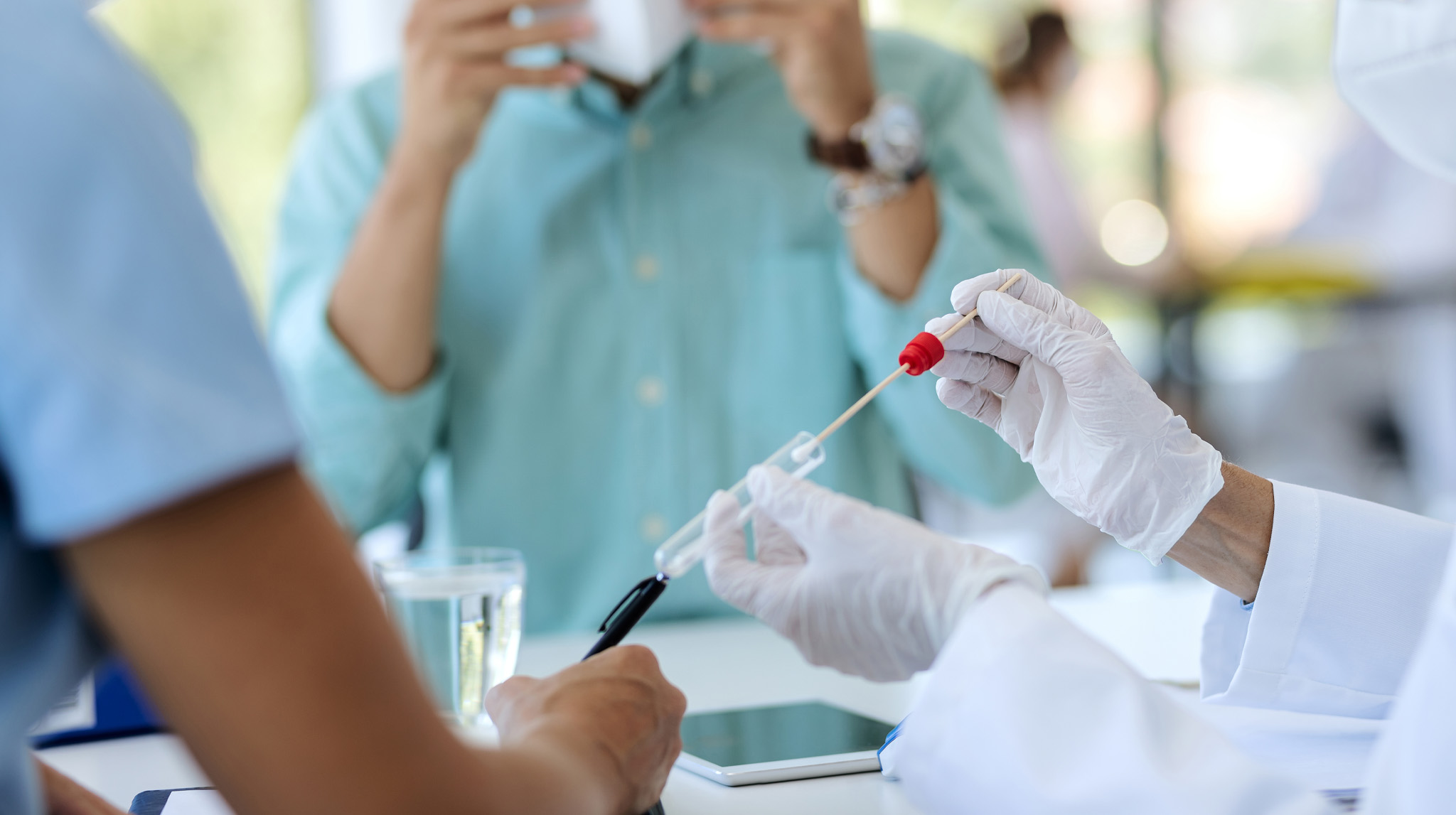
Wondering if you're at risk? Testing remains the only definitive way to determine HIV status. Multiple HIV tests are available, including rapid and laboratory options, with several anonymous screening services designed to encourage more people to get tested confidentially and without stigma.
A negative HIV test result is the critical first step before starting PrEP (pre-exposure prophylaxis). This ensures you're eligible and safe to begin prevention, bridging awareness of your status directly to proactive protection.
PrEP: Pre-Exposure Prophylaxis
PrEP is a daily medication for individuals at ongoing risk of HIV from sex or injection drug use. It prevents HIV from establishing infection and spreading in the body, offering up to 99% effectiveness when taken consistently.
Is PrEP Right For You?
PrEP may be appropriate if you are HIV negative and any of the following apply:
Sexual exposure risk
• You have had anal or vaginal sex in the past six months
• You have a sexual partner living with HIV especially if their viral load is unknown or detectable
• You do not consistently use condoms
• You have been diagnosed with a sexually transmitted infection in the past six months
Injection related risk
• You inject drugs
• You have an injection partner living with HIV
• You share needles syringes or other injection equipment
Previous PEP use
• You have been prescribed post exposure prophylaxis
• You continue to engage in high-risk behaviour
• You have required multiple courses of PEP
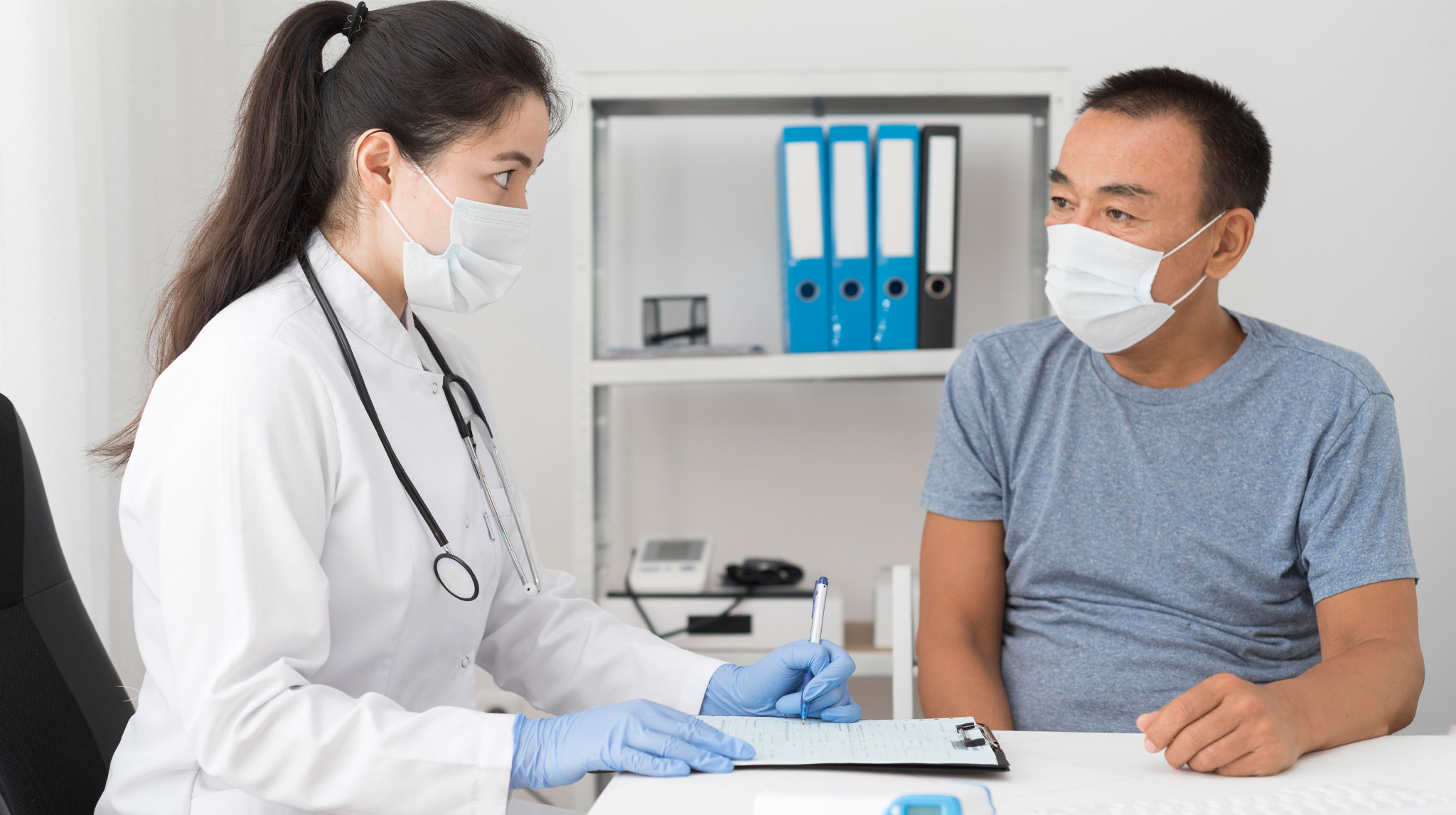
Starting PrEP begins with a baseline HIV test confirming negative status, followed by kidney function assessment and hepatitis screening to ensure safety and eligibility. Ongoing protection continues through monthly or quarterly follow-ups to monitor effectiveness and any side effects.
Treatment Protocol
Confirm HIV-negative status
Obtain a documented negative HIV test prior to initiation. This baseline step rules out acute or established infection, preventing drug resistance and ensuring safety. Retest if high-risk exposure occurred within the past few weeks.
Baseline safety assessments
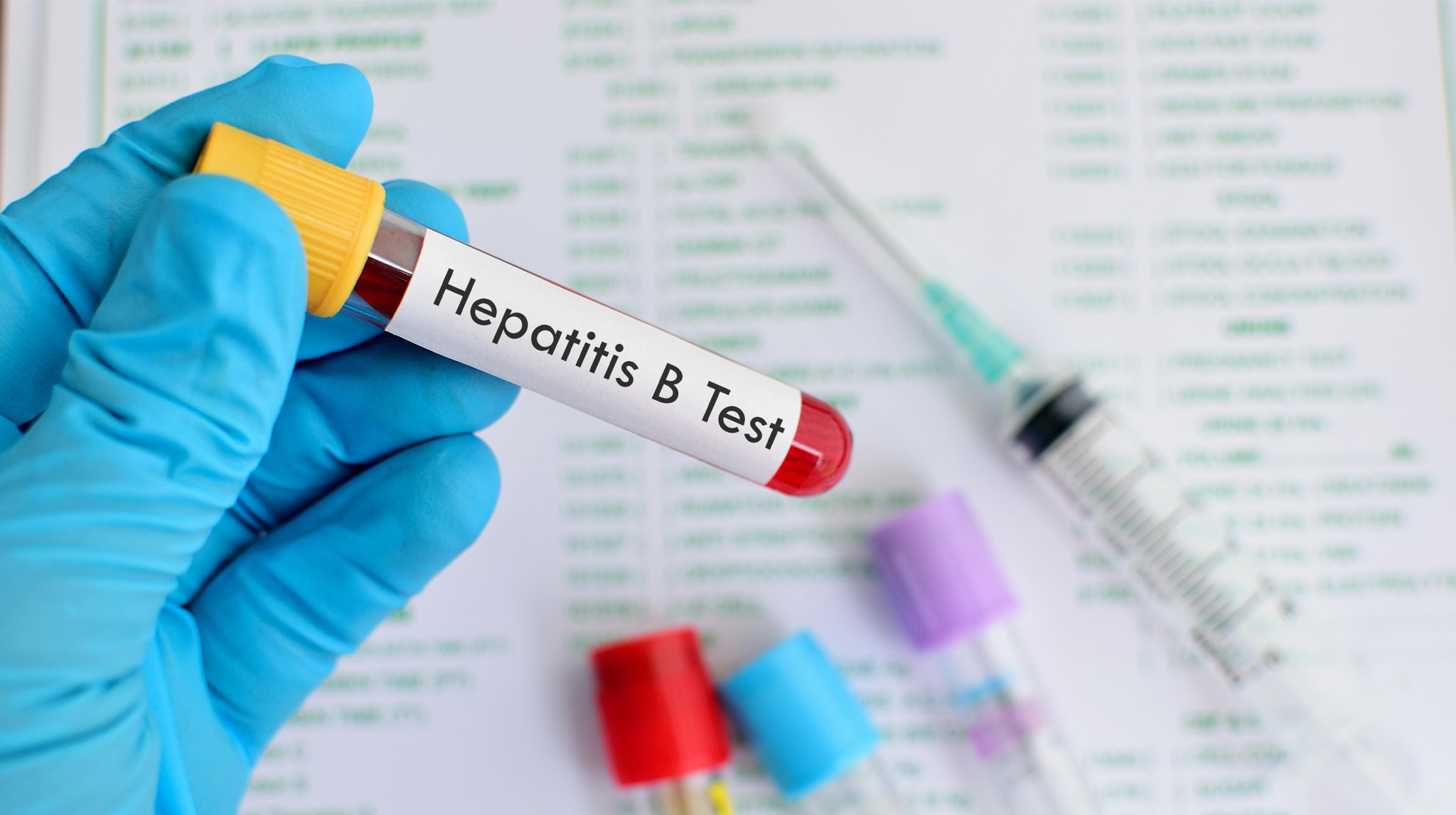
Evaluate renal function, hepatitis B serology, and screen for STIs, pregnancy, and medication interactions. These checks identify contraindications such as active hepatitis B or renal impairment, tailoring care to individual health.
Daily dosing regimen
Take a daily pill like Truvada or Descovy, with guidance on sticking to it consistently. Full protection starts after about 7 days for anal sex and 21 days for vaginal sex; longer-acting injections (every 2 months) are also available for some people.
Ongoing monitoring
Schedule follow-up every 1 to 3 months, including HIV retesting, renal panels, STI screening, adherence assessment and hepatitis B monitoring. Quarterly visits initially, then every 3-6 months if stable. Discontinue if HIV seroconversion occurs and transition to treatment.
PEP is a 28-day antiretroviral regimen initiated within 72 hours of a high-risk exposure, such as condom rupture during sexual activity, occupational needlestick injury, or sexual assault. Efficacy diminishes significantly after the 72-hour window, so optimal outcomes require prompt administration as soon as possible following exposure.
Why Screening Matters
Confirmed HIV-negative status is essential for both. Comprehensive baseline testing ensures safety and eligibility, complemented by risk reduction counselling on condoms, testing, and partner communication.
Treatment Protocol
Complete 28-day course
Patients must adhere to the full 28-day regimen of antiretroviral medications without interruption. This duration ensures sufficient drug levels to eradicate any potential HIV replication initiated by the exposure, with early discontinuation risking treatment failure.
Immediate initiation
Start the regimen as soon as possible, ideally within hours, and no later than 72 hours post-exposure. The window is critical because HIV establishes infection rapidly delays beyond 72 hours significantly reduce efficacy.
Follow-up HIV testing
Conduct serial HIV tests at 4-6 weeks, 12 weeks, and 24 weeks post exposure to confirm no seroconversion. Additional screening for STIs, hepatitis B/C, and renal function monitors for complications and ensures comprehensive post-exposure care.
Schedule your visit online
Take the next step and schedule an appointment today